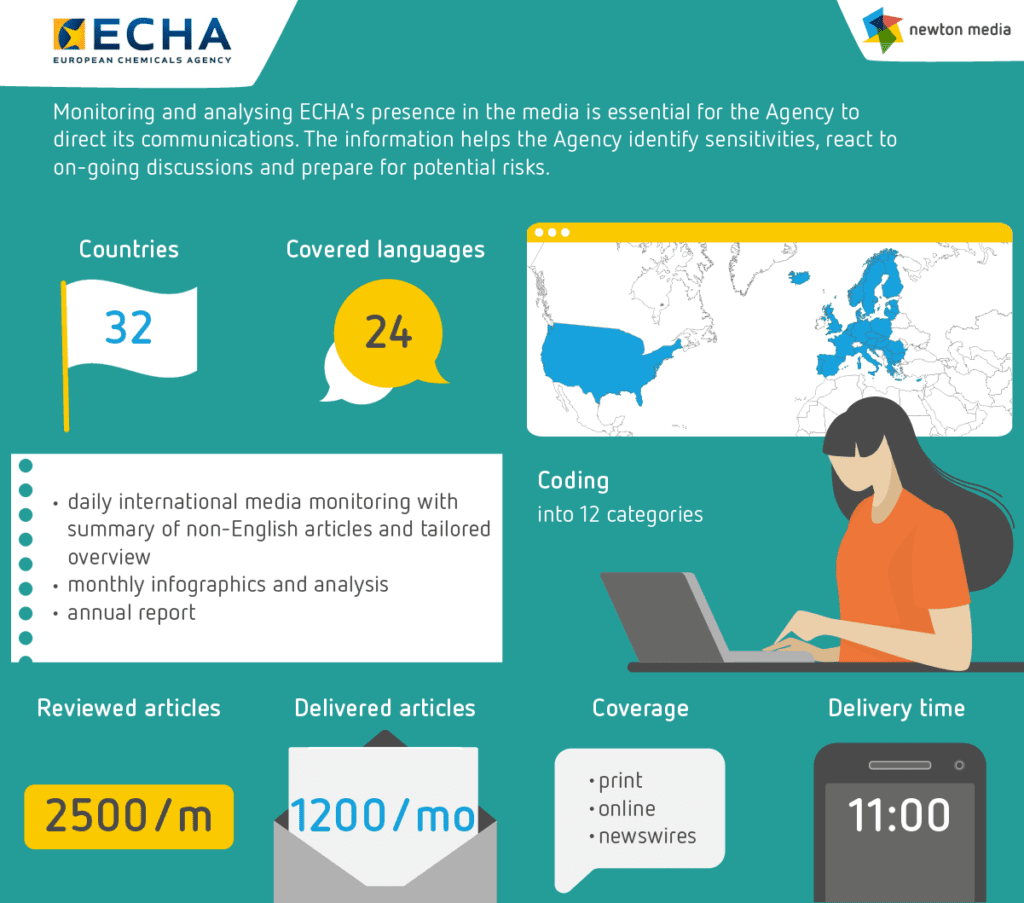


Today, more than 50% of online queries result in so‑called zero‑click searches, where the answer is delivered instantly within a search or chatbot interface. This shift has major implications for public institutions and European agencies.
Why this matters for the public sector
Large Language Models (LLMs) generate responses based on a mixture of training data, structured sources and publicly available content. If official EU information is not clearly structured, machine‑readable and perceived as authoritative by these models, it may not appear in AI‑generated answers at all — even when it is accurate and legally valid.
This affects not only institutional visibility, but also public awareness, trust in official information, and the fight against misinformation.

What is Generative Engine Optimization (GEO)
Generative Engine Optimization (GEO) is an emerging discipline focused on optimizing content so that it is:
- easily understood by AI systems,
- recognized as a trusted and authoritative source,
- used and referenced in AI‑generated responses.
Unlike traditional SEO, GEO is not only about rankings in search engines. It is about visibility within generative AI answers, where citizens increasingly seek guidance, explanations and facts.
Why GEO is critical for European institutions
- It ensures that official EU information appears where citizens actually ask questions.
- It strengthens trust in AI‑mediated public information.
- It helps prevent the spread of incomplete or misleading interpretations of EU policies.
- It supports transparency, information equity and democratic resilience.
📈 Measuring AI visibility is essential
You cannot optimize what you cannot measure. Public institutions need clear insights into:
- whether and how their content appears in AI‑generated answers,
- which sources LLMs rely on when responding to citizen queries,
- where gaps exist between official information and AI outputs.
Newton Media provides AI visibility measurement that helps institutions understand how their content is represented across generative AI systems. These insights enable data‑driven GEO strategies and ensure that authoritative European information remains visible, trusted and accessible in the age of AI.
👉 Building on these insights, our AI Visibility Audit helps you better understand how AI interprets your brand and which sources it draws from. We’ll be happy to help you — contact us at sales@newtonmedia.eu.